Start with the booking choices that change value
A hotel comparison becomes clearer when you separate four decisions: the room you are booking, who will sleep in it, the rate conditions you accept, and the amount you will ultimately pay. A room label is only a starting point. It may describe the intended format of the room, but it does not settle the precise features, occupancy arrangements or terms of the rate shown for your dates.
Treat the hotel page and booking screen as the final record for your chosen property. Travelodge, for example, presents standard, new-look standard and SuperRoom options with different stated features; Premier Inn also says that air conditioning is not available in every room and directs guests to the individual hotel page. Travelodge rooms Premier Inn room FAQs
When comparing options, use the same sequence every time: confirm the room setup, confirm that it works for every guest, read the rate conditions, then compare the final payable total. UK consumer guidance for accommodation booking stresses transparent price information and clear total costs, so the headline nightly figure should not be your only comparison point. CMA hotel-booking guidance
Understand room categories before comparing brands
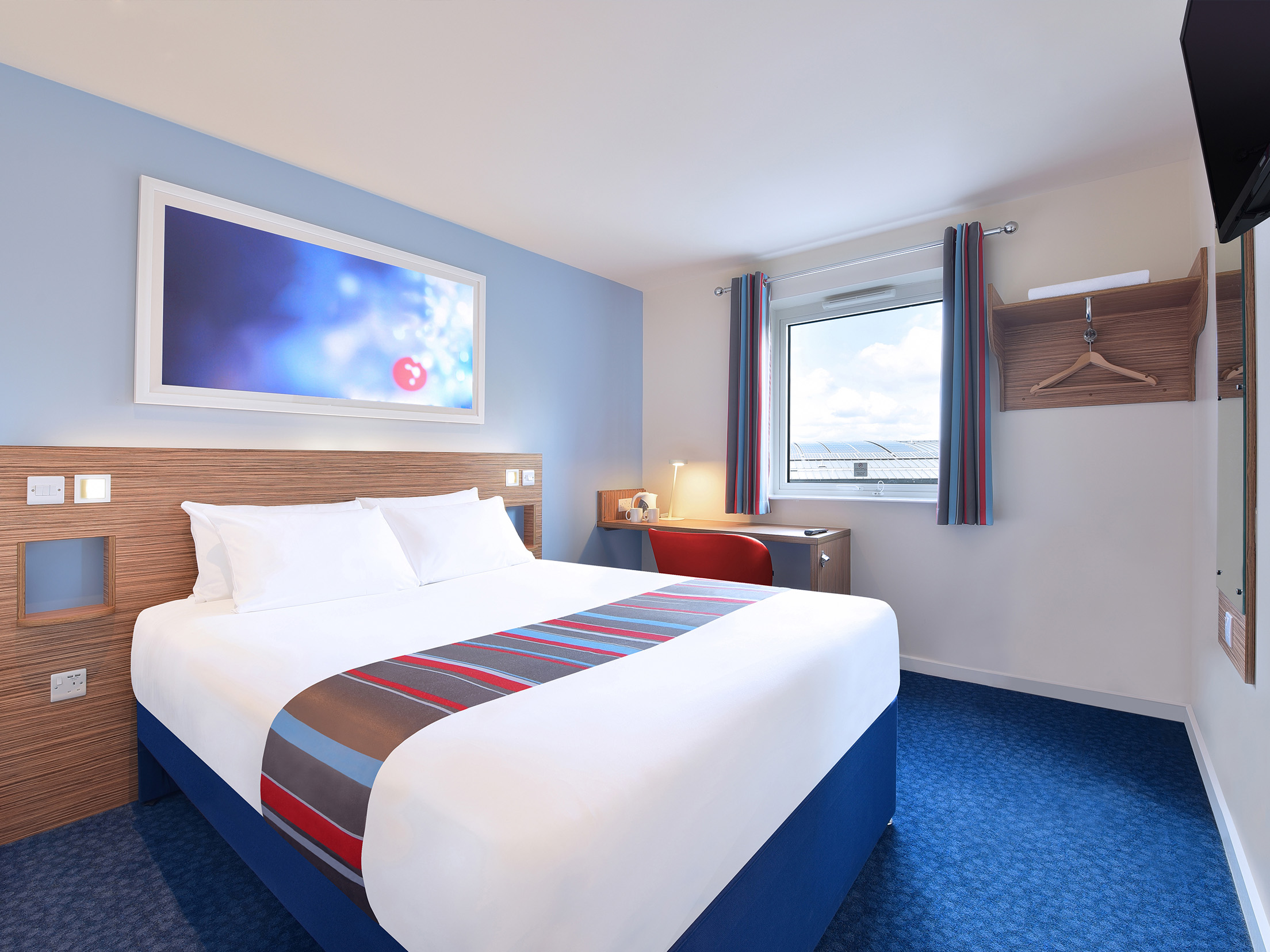 Common labels such as standard, family, accessible and upgraded room are useful shortcuts, but they are not a universal specification. “Standard” usually identifies the chain’s core offer; a family room is intended to accommodate a particular group arrangement; an accessible room is designed around accessibility needs; and an upgraded category usually bundles additional features or a different room experience. The exact meaning is set by the hotel, not by the label alone.
Travelodge is a useful illustration of variation inside one brand. Its standard double and family rooms are described as having a king-size Travelodge Dreamer bed, en-suite shower room, desk, TV, tea and coffee facilities and Wi‑Fi subject to charges in most locations. Its new-look standard rooms add stated design and convenience features such as blackout curtains, LED lighting and USB charging points. Its SuperRooms include a different collection of stated extras, including Premium Wi‑Fi, a coffee machine, hairdryer, iron and ironing board. Travelodge rooms
That does not make one label automatically right for every trip. Start by asking what the category promises, then inspect the selected hotel’s room description. Check the bed setup, bathroom, desk or workspace, charging, climate control, Wi‑Fi and refreshment facilities before treating two similarly named rooms as comparable.
Use the room photos and details for the specific hotel and dates you intend to book; a brand-level description is context, not confirmation of every local feature.
Compare the room features that affect your stay
When two nightly prices are close, compare the features that will affect your actual stay rather than assuming an upgraded name equals better value. A practical checklist is bedding, bathroom arrangement, desk or usable workspace, Wi‑Fi, temperature control, charging, television, and tea or coffee facilities.
The published offers show why this matters. Travelodge describes its standard rooms with an en-suite shower room, spacious desk, TV, tea and coffee facilities and Wi‑Fi with stated charging arrangements. Its new-look rooms add blackout curtains, LED lighting and USB charging points, while its SuperRooms list Premium Wi‑Fi and several in-room convenience items. Premier Inn states that its rooms include an en-suite bathroom, double or king-size bed, TV, tea and coffee facilities and a desk area; it also notes that air conditioning is not present in all hotel rooms. Travelodge rooms Premier Inn room FAQs
For a work stay, a dependable desk, convenient charging and suitable connectivity may matter more than a decorative upgrade. For a short leisure break, blackout curtains, a preferred shower setup or included in-room extras may be the deciding details. The useful comparison is not “standard versus upgraded” in isolation; it is whether the documented difference solves a need you actually have.
Check occupancy, beds and family requirements
A room can look suitable by name but still be unsuitable for the party travelling. Before you book, check the advertised maximum occupancy, the number and type of beds, whether children are included in that occupancy, and any arrangements needed for an infant or mobility requirement.
Do not infer sleeping capacity from a bed description alone. Travelodge says its double and family rooms have a king-size Travelodge Dreamer bed, while Premier Inn describes a double or king-size bed in every room and makes travel cots available on request at no extra cost. A cot is equipment for an infant; it does not by itself confirm that the selected room works for every guest or that a particular bed configuration will be available. Travelodge rooms Premier Inn room FAQs
For a family booking, record each sleeper and the required arrangement before comparing prices. Then confirm the room’s stated occupancy and the hotel’s current cot, bedding and accessible-equipment information on the relevant booking path. If any part is unclear, ask the hotel before relying on an assumption.
Choose a rate based on flexibility, not headline price
The room category and the rate are separate choices. The same room may be offered under different conditions, so a lower upfront figure can be less suitable if your plans may change. Read the cancellation deadline, amendment rules, payment timing, refund treatment and included items for the exact rate before choosing it.
This is especially important when comparing a direct booking with another booking channel. The presentation of the rate can differ, and a room name alone does not tell you whether changes are permitted or what is included. The CMA’s guidance for online accommodation booking businesses emphasises transparent pricing and clear display of total costs; use that principle by reading the terms alongside the price rather than relying on a prominence cue or headline figure. CMA hotel-booking guidance
A sensible trade-off is to pay for flexibility only when the consequence of changing plans matters to you. If dates are firm, a more restrictive rate may suit your risk tolerance. If transport, work commitments or family plans remain uncertain, compare the additional cost of flexibility with the potential cost of losing a restrictive booking.
Calculate total stay value before you book
Compare like with like by using the final payable amount for the same dates, guests, room and conditions. The CMA guidance says accommodation booking businesses must be transparent in displaying pricing information and total costs. That makes a final-total comparison more useful than ranking options by the advertised nightly rate alone. CMA hotel-booking guidance
Use this checklist for each option:
- Room price for all nights and all guests.
- Any compulsory amount shown before payment.
- Included and paid-for Wi‑Fi.
- Breakfast, parking and other extras you expect to use.
- Payment timing, cancellation conditions and the potential cost of changing plans.
- The exact room features you would otherwise need to buy or do without.
The documented brand differences can change that calculation. Travelodge says standard-room Wi‑Fi usually carries a charge, while its SuperRooms include Premium Wi‑Fi. Premier Inn says standard Wi‑Fi is free and offers a paid Ultimate Wi‑Fi option, subject to its service terms and device compatibility. These are published examples, not a substitute for checking the selected property and current booking terms. Travelodge rooms Premier Inn room FAQs
Compare your hotel options using the same final-total checklist.
Match the room and rate to your trip
For a short city break, begin with location and a room that covers the essentials you will genuinely use. If you value a later decision point, compare flexible rates for the same room before paying for a broader upgrade.
For a family trip, make occupancy and sleeping arrangements the first filter. Check the stated room capacity, beds and infant arrangements before assessing extras. Premier Inn’s published cot information is a reminder that availability and suitability should be checked, rather than assumed from the word “family.” Premier Inn room FAQs
For a work stay, prioritise a usable desk, Wi‑Fi conditions, charging and temperature control. Travelodge’s published new-look and SuperRoom descriptions show how these practical details can vary within one chain, while Premier Inn notes that air conditioning varies by hotel. The best fit is the option whose confirmed features and rate terms match your itinerary—not a universal winner. Travelodge rooms Premier Inn room FAQs
Use a final hotel booking checklist
Immediately before payment, verify the selected hotel and room rather than relying on an earlier search result. Confirm:
- The room category, bed arrangement and stated occupancy for every guest.
- The facilities that matter to you, including Wi‑Fi terms and whether climate control is confirmed for that hotel.
- The rate’s cancellation, amendment, payment and refund conditions.
- Every amount and optional extra included in the final payable total.
- Any family, cot, accessibility or parking requirement with the hotel where necessary.
Keep a simple note for each option so every comparison uses the same criteria. This reduces the risk of comparing a flexible rate with a restrictive one, or a room with included features against one that requires paid extras. It also reflects the consumer-protection principle that total costs should be clearly displayed. CMA hotel-booking guidance
Frequently Asked Questions
Is an upgraded room always better value than a standard room?
No. It is better value only if its confirmed additional features or inclusions matter for your trip and justify the difference in final cost. Travelodge’s SuperRooms, for example, list Premium Wi‑Fi and additional in-room items compared with its stated standard-room offer, but a traveller who does not need those features may prefer the standard option. Check the selected hotel and rate before deciding. Travelodge rooms
What should I check before booking a family room?
Confirm the stated occupancy, bed configuration and arrangements for every sleeper. If you need a cot, check the hotel’s current policy and availability; Premier Inn says its travel cots are available on request and advises guests to bring baby bedding for extra comfort. Premier Inn room FAQs
Why can two rates for the same room have different total prices?
They can carry different cancellation, amendment, payment or inclusion conditions. Compare the complete rate terms and final payable total, not just the nightly figure. The CMA guidance specifically addresses transparent pricing and clear total costs for accommodation booking services. CMA hotel-booking guidance
How can I tell whether Wi-Fi or other extras are included?
Read the selected room and rate details, then check the hotel’s current terms. Published brand information may show a distinction—for example, Travelodge lists Premium Wi‑Fi in SuperRooms, and Premier Inn distinguishes free Wi‑Fi from paid Ultimate Wi‑Fi—but the booking page for your chosen hotel is the confirmation point. Travelodge rooms Premier Inn room FAQs
Related reading
- Best UK hotel chains for city breaks: evidence-led choices by room, booking flexibility and extras
- Premier Inn review: room standards, booking trade-offs and alternatives
- How to choose a UK hotel chain: location, room needs, rate terms and extras
- When to book UK hotels for better value without sacrificing rate flexibility
Editorial information: About our editorial team · Read our editorial policy · Read our affiliate disclosure.